Buying and Selling Real Estate in Portugal
See the required documents and the precautions to take when buying and selling real estate in Portugal, from reviewing the property to the deed. Talk to our team.
Looking for a property is one of the first steps for anyone planning to live in Portugal.
At Sene & Araújo, we provide clear and careful guidance on the advantages, risks and precautions to take when acquiring a property in Portugal.
Documents
After choosing the property, the documents must be reviewed before closing the deal. For the deed, some documents are mandatory, others may be mandatory (depending on the circumstances), and others are not mandatory but can add security to the transaction. They are:
Mandatory
Identification of the owners and buyers;
Permanent Land Registry Certificate (Certidão Permanente do Registo Predial or Certidão de Teor);
Property tax record (Caderneta Predial or Certidão Matricial);
Energy Certificate; and
Proof of payment of IMT and Stamp Duty (Imposto do Selo) (taxes levied on the purchase of the property).
May be mandatory
Mortgage discharge (distrate da hipoteca); and
Pre-emption rights letters (cartas de direitos de preferência).
Optional
Occupancy permit (autorização de utilização) and housing technical file (ficha técnica da habitação) (no longer required for the deed under Decree-Law 10/2024 (Decreto-Lei), but it is still advisable to check them);
Previous deed;
Condominium meeting minutes; and
Floor plans.
Taxes
Besides the documents, another extremely important factor is knowing the costs involved in acquiring the property, such as taxes, preparation of the documents, the deed and the corresponding registration.
In Portugal, the purchase and sale of real estate may be formalized either by a public deed (escritura pública) executed by a notary, or by a private document authenticated by a lawyer, solicitor (solicitador) or registrar (conservador) (for example, at the Casa Pronta desk). As a rule, the fees charged vary according to the transaction value of the property.
The taxes levied on the property are:
- IMT – Municipal Tax on Onerous Transfers of Real Estate (Imposto Municipal sobre as Transmissões Onerosas de Imóveis, similar to Brazil's ITBI), paid before the deed and calculated on the higher of the price and the tax registered value (VPT). In 2026, the acquisition of a property intended exclusively as the buyer's own permanent home is exempt from IMT if its value does not exceed €106,346.00 on the mainland (the Autonomous Regions have their own limits). Young people up to age 35 buying their first own permanent home may be exempt from IMT and Stamp Duty up to €330,539.00 (IMT Jovem). Since May 2026, the acquisition of residential properties by non-residents of Portugal is, as a rule, subject to a single IMT rate of 7.5%, except for the exceptions provided by law.
- IS – Stamp Duty (Imposto do Selo). As a rule, 0.8% of the acquisition value, paid together with IMT before the deed (an exemption may apply under IMT Jovem). In the case of bank financing, Stamp Duty is also charged on the loan.
- IMI – Municipal Property Tax (Imposto Municipal sobre Imóveis, similar to Brazil's IPTU). After acquiring the property, the owner must pay this municipal tax every year. In some cases (own permanent home with limited tax registered value and household income), a 3-year exemption may be available. High-value real estate holdings may also be subject to the Additional IMI (AIMI). The rate used to calculate IMI is set annually by the municipality where the property is located and ranges from 0.3% to 0.45%, as provided in Article 112(1)(c) of the Municipal Property Tax Code (Código do Imposto Municipal sobre Imóveis, CIMI).
- Capital gains taxes – On the sale of the property, the gain (the difference between the sale value and the acquisition value, adjusted and net of certain expenses) is, as a rule, taken into account at 50% of its value and taxed at the progressive rates of Portuguese personal income tax (IRS); it may be excluded if reinvested in an own permanent home.
Other services in this area
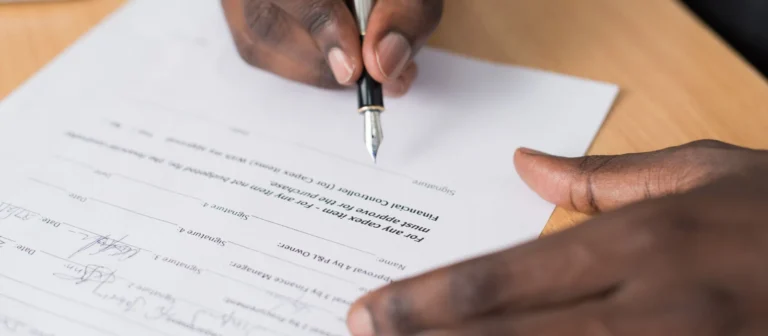
Wills
Forms, forced share, and applicable law in both countries.
Learn more →
Declaration of heirs
Notary's office or Inheritance Desk, documents, and Stamp Duty.
Learn more →
Assets in Brazil
Selling, inheriting, and managing assets in Brazil while living in Portugal.
Learn more →
Marriage and property regime
Applicable law, prenuptial agreement, and effects on inheritance.
Learn more →
Child custody
Relocation to another country, travel authorization, and the Hague Convention.
Learn more →
International child and spousal support
Setting, collecting, and modifying support between Brazil and Portugal.
Learn more →
STJ recognition
Portuguese judgments given effect in Brazil.
Learn more →
Tax residence
Definitive departure from Brazil, the 183-day rule, and double taxation.
Learn more →
INSS retirees
Brazilian pension received in Portugal: the agreement and taxation.
Learn more →Common questions
Didn't find your question? Talk to our team on WhatsApp.
Which documents are mandatory for the deed of purchase of a property in Portugal?
- identification of the owners and the buyers;
- Permanent Land Registry Certificate (Certidão Permanente do Registo Predial or Certidão de Teor);
- Property tax record (Caderneta Predial or Certidão Matricial);
- Energy Certificate;
- proof of payment of IMT and Stamp Duty.
Depending on the case, the mortgage discharge and the pre-emption rights letters may also be mandatory.
Are the occupancy permit and the housing technical file still required?
They are no longer required for the deed under Decree-Law 10/2024, but it is still advisable to check them before closing the deal. The previous deed, the condominium meeting minutes and the floor plans of the property are also not mandatory, but they can add security to the transaction. These documents should be reviewed after choosing the property and before signing.
Does the purchase have to be made by public deed before a notary?
Not necessarily. In Portugal, the purchase and sale of real estate may be formalized by a public deed executed by a notary, or by a private authenticated document prepared by a lawyer, solicitor (solicitador) or registrar (conservador), for example at the Casa Pronta desk. As a rule, the fees charged vary according to the transaction value of the property and are added to the taxes, document preparation and registration.
Which taxes are paid on the purchase of the property?
- IMT: paid before the deed, calculated on the higher of the price and the tax registered value (VPT). Since May 2026, the acquisition of residential properties by non-residents is, as a rule, subject to a single rate of 7.5%, except for the exceptions provided by law;
- Stamp Duty (Imposto do Selo): as a rule, 0.8% of the acquisition value, paid with IMT.
Exemptions may apply, such as the one for lower-value own permanent homes and IMT Jovem.
After the purchase, is there any annual tax on the property?
Yes. The owner pays IMI (Municipal Property Tax, Imposto Municipal sobre Imóveis) every year, similar to Brazil's IPTU. The rate is set annually by the municipality where the property is located and ranges from 0.3% to 0.45%. In some cases of own permanent homes, a 3-year exemption may be available. High-value real estate holdings may also be subject to the Additional IMI (AIMI).
Latest articles
Selling property in Brazil while living in Portugal
Power of attorney or videoconference, capital gains tax of 15% to 22.5% without the exemptions available to residents, withholding by the buyer, remittance, and credit for the tax against Portuguese IRS: what changes for those living in Portugal.
I inherited property in Brazil and live in Portugal: step by step
Out-of-court inventory before a notary without traveling, a power of attorney with special powers, documents, ITCMD, and the choice of the property's value in the partition: a step-by-step guide for those who inherited in Brazil and live in Portugal.

INSS retirees in Portugal: income tax at progressive rates in 2026
Since Normative Instruction IN RFB 2,299/2025, pensions paid to people living in Portugal are taxed under the progressive table. See the calculation for 2026, the effect on Portuguese IRS, and how to claim back the 25% withheld in recent years.